The US Naval Academy: Adapting for Modern Naval Leadership Challenges

Bold Business was fortunate to interview the US Naval Academy’s 87th Commandant of Midshipman Captain Robert B. Chadwick II at the Zephyrhills Jump Zone where he was participating with the Naval Academy Parachute team. In this exclusive interview with Associate Publisher John R. Miles, himself a 1993 Academy graduate, Captain Chadwick discusses how the Academy is evolving with modern warfare and leadership needs.

All That Glitters Isn’t Gold: Smart City Initiatives Meet Community Concerns

Advances in technology are exciting and offer incredible opportunities for urban environments. Smart city initiatives provide opportunities for automation, data analytics, and enhanced resource utilization. Likewise, these create potential efficiencies in traffic systems, waste management services, and many other areas. Yet, while these smart initiatives seem like a no-brainer, some communities are not so convinced. To them, there are issues concerning a perceived lack of transparency and privacy. And major tech companies like Sidewalk Labs are learning this the hard way.

Outdated Laws Must Go

The legal highway may lead by pointing towards the direction of justice, but the road is definitely littered with outdated laws and statutes that serve no use other than to confound and confuse. For example, there’s a jurisdiction in Wisconsin where it’s illegal to eat ice cream on Sundays. In North Dakota, meanwhile, there’s a regulation against serving pretzels with beer. And in a certain city in Ohio, women are prohibited from patent leather shoes. Of course, the actual enforcement of these ridiculous codes happens rarely–if ever–but it still begs the question: Why? Why keep them on the books?

Sure, maybe when these laws were codified there was a legitimate community concern being addressed. But times have changed–indoor plumbing has since been perfected, and electricity can be found in every home. Shouldn’t something be done about this legal detritus? In this Bold Interview, James Copland of the Manhattan Institute suggests that we need to get busy repealing these old outdated laws.

How Technical Changes in the Law Can Lead to Progress or Stalling of Affordable Housing Initiatives

In southwest Connecticut, the gap between rich and poor is wider than anywhere else in the country. Invisible walls created by local zoning boards and the state government block affordable housing and, by extension, the people who need it.

A Bump in the Road, but the Fight for More Housing Continues

Yesterday, the Chairman of the Senate Appropriations Committee announced that my housing bill – SB 50, the More HOMES Act – would not receive a committee vote and would not be moving forward this year. If this decision stands, then SB 50 will come up for a vote next January. If we have an opportunity to move the bill forward this year, we will absolutely do so.

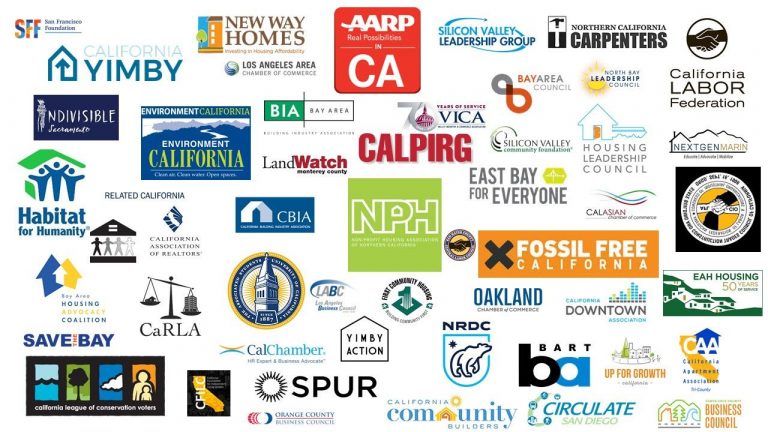
This decision by the Appropriations Committee Chair, while very disappointing, isn’t the end of the road for SB 50. The bill is alive and well, albeit delayed, and I am 100% committed to passing it, as is our broad coalition of labor, environmental, affordable housing, business, student, and senior organizations. California is in a deep housing crisis, due to decades of bad housing policy, and we must shift course for our future. We need bold action to address California’s 3.5 million home shortage, which is equal to the combined shortage of the other 49 states.

SB 50 legalizes more housing near public transportation and job centers. It received nearly unanimous bipartisan 9-1 and 6-1 votes in its two committee hearings, has 18 bipartisan co-authors from all over California, and is backed by a massive coalition of labor, environmental, affordable housing, business, senior, and student organizations. A San Francisco poll showed 74 percent support for the bill, and two recent statewide polls show 66% and 61% support, with strong support across all regions of the state and all demographics. People understand that we need more homes and that we need those homes in job centers and near public transit, as opposed to more sprawl and resulting carbon emissions.

California’s failed housing approach is pushing people into homelessness, poverty, and mega- commutes, is forcing working families out of their communities and out of the state entirely, and is undermining California’s climate goals. We’re either serious about solving this crisis, or we aren’t. At some point, we need to make the hard political choices necessary for California to have a bright housing future.

All of these organizations and leaders agree, we need More HOMES and we need them now:
I want to thank the many people who have helped move this bill forward. We could not do this work without you.

Sincerely,

Scott Wiener
Senator

Issue Brief

The US (especially NYC) has been a melting pot of cultures, providing opportunity to those looking to make a better life. There have been ebbs and flows in policy since the Supreme Court made immigration a federal responsibility in 1875. An initial quota system emerged in the 1920s because of concerns over employment and jobs as well as fear of foreigners. In 1942 the U.S. agreed with Mexico in the Mexican Farm Labor of Agreement for the managed importation of migrant labor at an equilibrium of minimum wage for basic human rights.

But rarely have the tides of immigration swung back and forth as rapidly or as violently as they are today.

Immigration is a policy managed predominantly at the federal level. Key topics include US citizenship, family-based immigration, employment-based immigration (temporary visas and permanent immigration), refugees and “asylees” as well as other diversity visa and humanitarian relief programs. There are approximately 876,000 visas available each year for US bound immigrants.

Yet visas are oversubscribed, and it is estimated that there are approximately 11- 12 million illegal immigrants in the United States. Six states, including New York, house more than 60% of the total.

The History of Border Walls in the USA

The Impact Public Service Fund exists to promote effective government of, for, and by the people. When a citizen’s ability to get straight answers on issues that affect them is compromised, Impact is here to help.

To that end, our team is launching an original video series: Impact Spotlight. Each 15-minute piece will arm you with the facts you need to be be a part of the global dialogue on a key topic of the day. No agenda, no spin—we don’t care what your opinion is, as long as it’s informed.

Our first video, “The Worlds Busiest Border,” addresses the US-Mexico Border. For decades, politicians have used the Southwestern border to frame arguments around immigration, jobs, security, and more. In contrast, we get straight to the facts: what when did the border come about, what’s actually there today, who’s crossed it, what effect do our laws have?

We hope you’ll use this and future Impact Spotlight videos as a platform to develop your own civic expertise and engagement. Either way, please let us know what you think. Like the American government itself, in the Impact community, your opinion doesn’t just matter—it’s all that matters.

Customer Service And Circuits: Walmart, McDonalds And The Emerging Robotic Labor Force

Robots used to be something present in science fiction movies and fantasy novels. But not anymore. A robotic workforce has already replaced more than 80 percent of the manufacturing sector. And other sectors are following suit. Some of the largest companies in the retail and food industries are ramping up their robotic automation tremendously. So what will this mean for consumers, as well as employees, in the future?


Watch on YouTube

Robotic automation offers many advantages, but it also introduces change. While there are several benefits to a robotic workforce, there is also the costs to appreciate. While convenience, efficiency and even safety may be enhanced, that doesn’t mean new challenges will not be encountered. Customers and workers alike need to prepare for these challenges as it appears that a robotic workforce is inevitable

The Blue Economy: Looking at Pollution in Oceans and Seas and Its Impact on Human Health

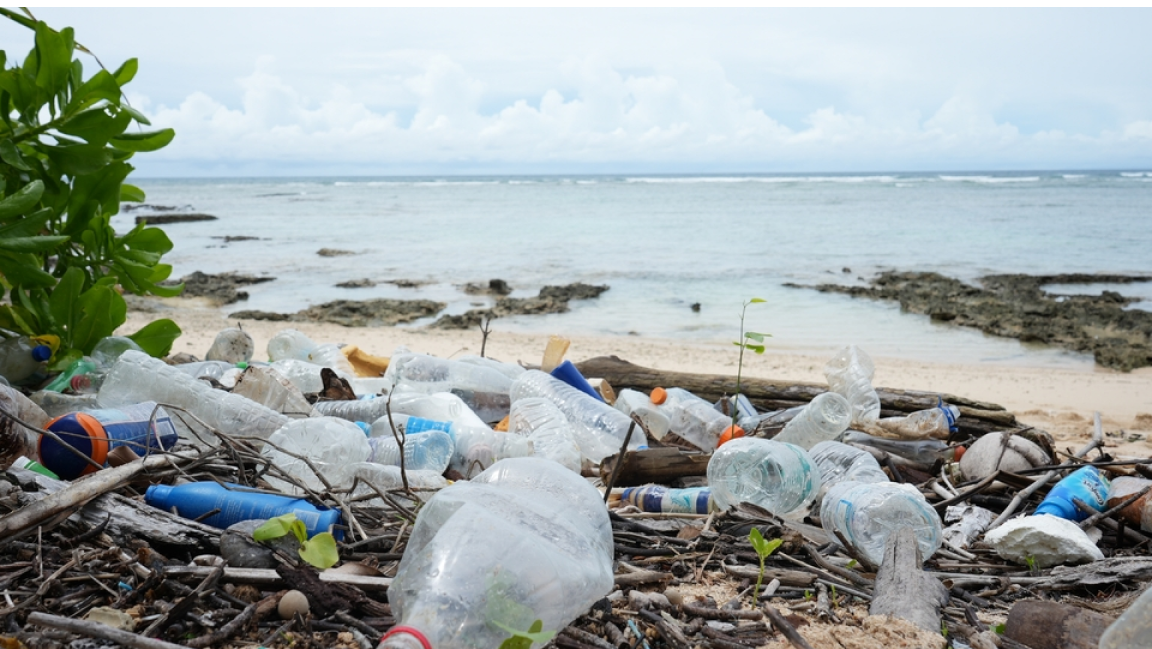
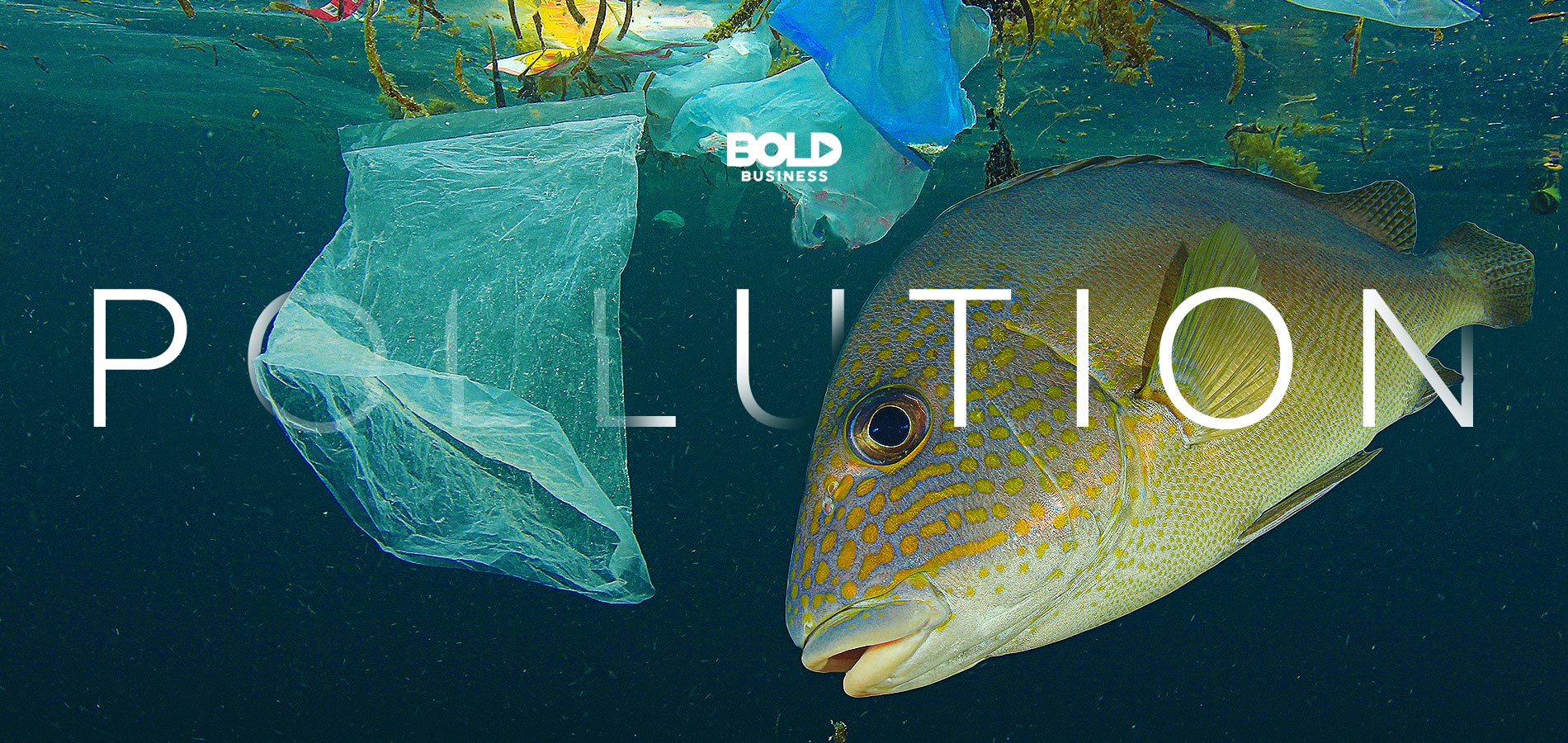
“The Great Pacific Garbage Patch” is proof of the extent of pollution in our oceans. It is a vortex of debris that covers an estimated surface of 1.6 million square kilometers. How big is that? Twice the size of Texas. With up to 2 million tons of plastic entering the ocean each year, experts estimate that 1.8 trillion plastic pieces are floating within the Great Pacific Garbage Patch.

Consequently, marine life in this area is exposed to various risks such as plastic ingestion, malnutrition, exposure to toxic chemicals, and plastic entanglement. As plastic enters the marine food web, the human food chain becomes vulnerable as well. But ocean benefits to humans go beyond the food chain. Needless to say, placing our seas in peril also endangers the human race.

When our very existence depends on the state of our waters, isn’t it time that we treat our oceans better?

Can we de-incarcerate America? Prosecutorial reform, reduced sentencing, rehabilitation, and other models.

Nothing has changed more in the past couple of decades than attitudes toward the crisis of incarceration in America. What was largely an invisible civilization of confinement—millions of men and women locked up for, cumulatively, millions of years—is now a commonplace concern. Everyone running for the Democratic nomination pays lip service to the need to address mass incarceration, and what were once essential political instincts—to side with the police and the prosecutors in every instance, to “get tough on crime”—have become, at the very least, negotiable. We have gone from “Lock ’em up!” to “Lock ’em up?” to “Set ’em loose!,” all in a relatively short time.