Transportation Infrastructure And A Nation’s Economic Growth, An Undeniable Interlink

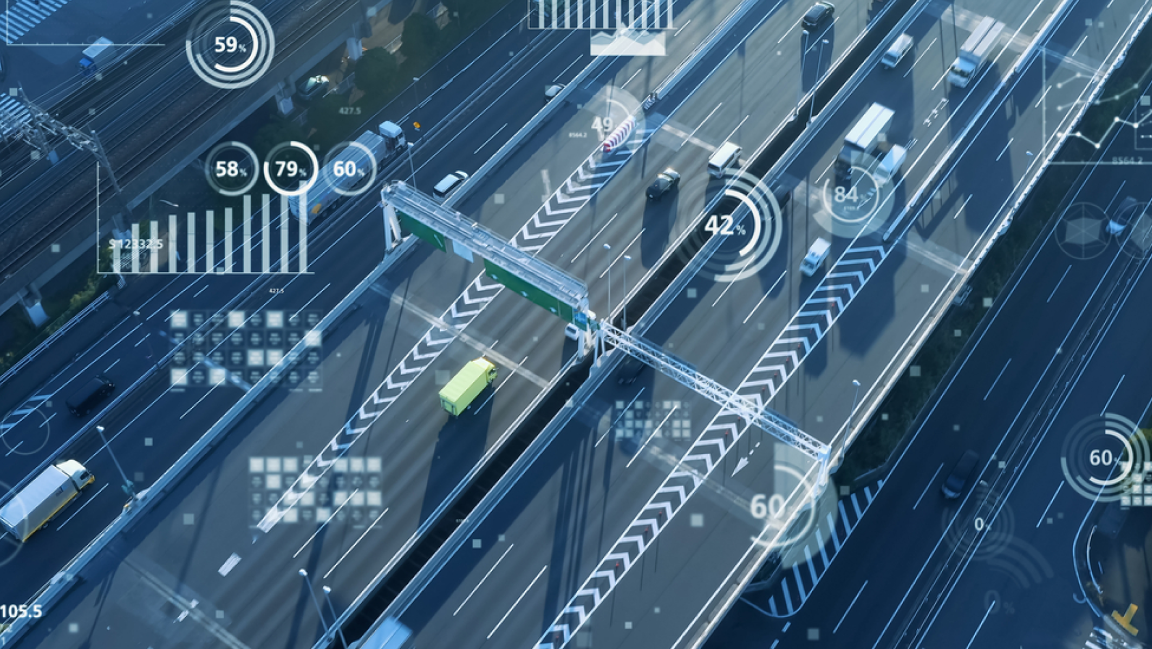
Transport infrastructure and economic growth are intertwined. A robust transportation system is a catalyst for economic growth and development. Throughout history, major milestones in transportation technology have stimulated economic progress and extensively improved the quality of the life of the people.

The Impact Of Deep Seabed Mining For Ocean Minerals

More than a million square miles of the deep sea’s floor have remained untouched for millennia. But that is changing rapidly. Industry and alternative energy solutions drive the rising demands for ocean minerals. Seabed mining also offers an attractive solution as deforestation criticisms rise and terrestrial supplies decline.

All That Glitters Isn’t Gold: Smart City Initiatives Meet Community Concerns

Advances in technology are exciting and offer incredible opportunities for urban environments. Smart city initiatives provide opportunities for automation, data analytics, and enhanced resource utilization. Likewise, these create potential efficiencies in traffic systems, waste management services, and many other areas. Yet, while these smart initiatives seem like a no-brainer, some communities are not so convinced. To them, there are issues concerning a perceived lack of transparency and privacy. And major tech companies like Sidewalk Labs are learning this the hard way.

How Technical Changes in the Law Can Lead to Progress or Stalling of Affordable Housing Initiatives

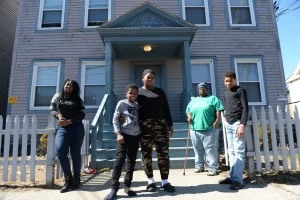
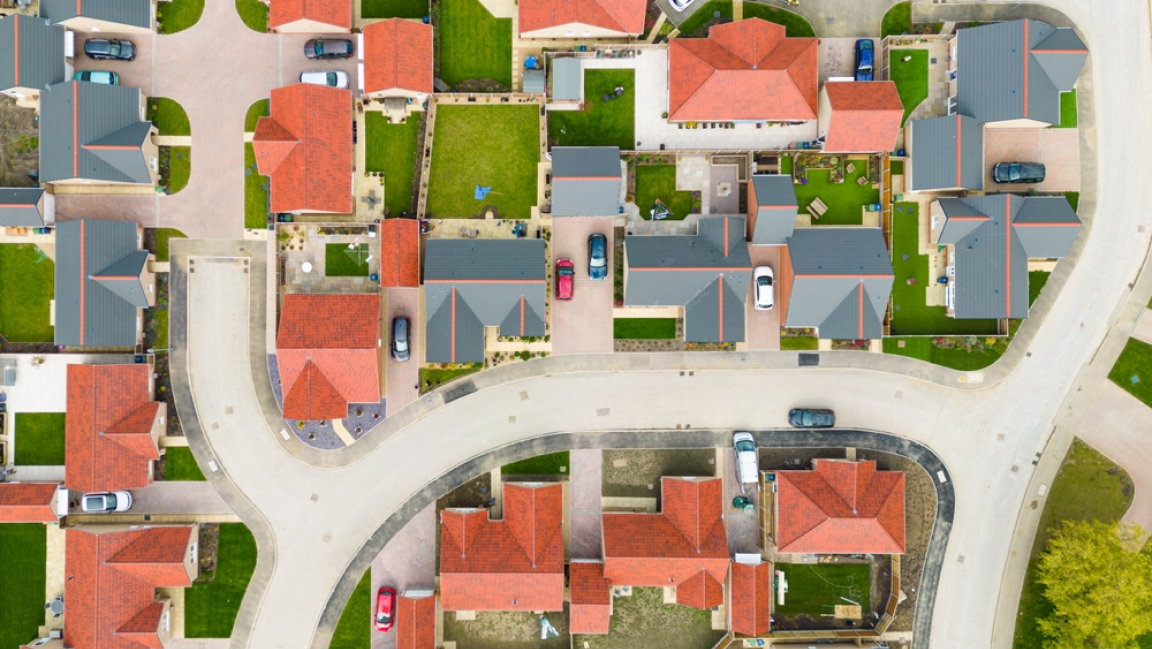
In southwest Connecticut, the gap between rich and poor is wider than anywhere else in the country. Invisible walls created by local zoning boards and the state government block affordable housing and, by extension, the people who need it.

A Bump in the Road, but the Fight for More Housing Continues

Yesterday, the Chairman of the Senate Appropriations Committee announced that my housing bill – SB 50, the More HOMES Act – would not receive a committee vote and would not be moving forward this year. If this decision stands, then SB 50 will come up for a vote next January. If we have an opportunity to move the bill forward this year, we will absolutely do so.

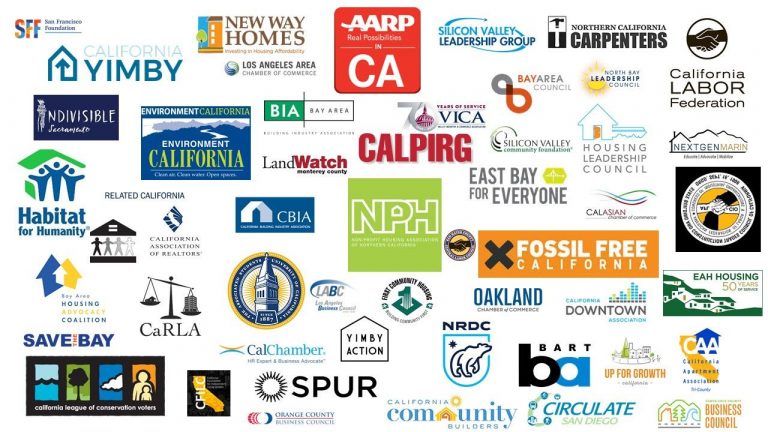
This decision by the Appropriations Committee Chair, while very disappointing, isn’t the end of the road for SB 50. The bill is alive and well, albeit delayed, and I am 100% committed to passing it, as is our broad coalition of labor, environmental, affordable housing, business, student, and senior organizations. California is in a deep housing crisis, due to decades of bad housing policy, and we must shift course for our future. We need bold action to address California’s 3.5 million home shortage, which is equal to the combined shortage of the other 49 states.

SB 50 legalizes more housing near public transportation and job centers. It received nearly unanimous bipartisan 9-1 and 6-1 votes in its two committee hearings, has 18 bipartisan co-authors from all over California, and is backed by a massive coalition of labor, environmental, affordable housing, business, senior, and student organizations. A San Francisco poll showed 74 percent support for the bill, and two recent statewide polls show 66% and 61% support, with strong support across all regions of the state and all demographics. People understand that we need more homes and that we need those homes in job centers and near public transit, as opposed to more sprawl and resulting carbon emissions.

California’s failed housing approach is pushing people into homelessness, poverty, and mega- commutes, is forcing working families out of their communities and out of the state entirely, and is undermining California’s climate goals. We’re either serious about solving this crisis, or we aren’t. At some point, we need to make the hard political choices necessary for California to have a bright housing future.

All of these organizations and leaders agree, we need More HOMES and we need them now:
I want to thank the many people who have helped move this bill forward. We could not do this work without you.

Sincerely,

Scott Wiener
Senator

The Blue Economy: Looking at Pollution in Oceans and Seas and Its Impact on Human Health

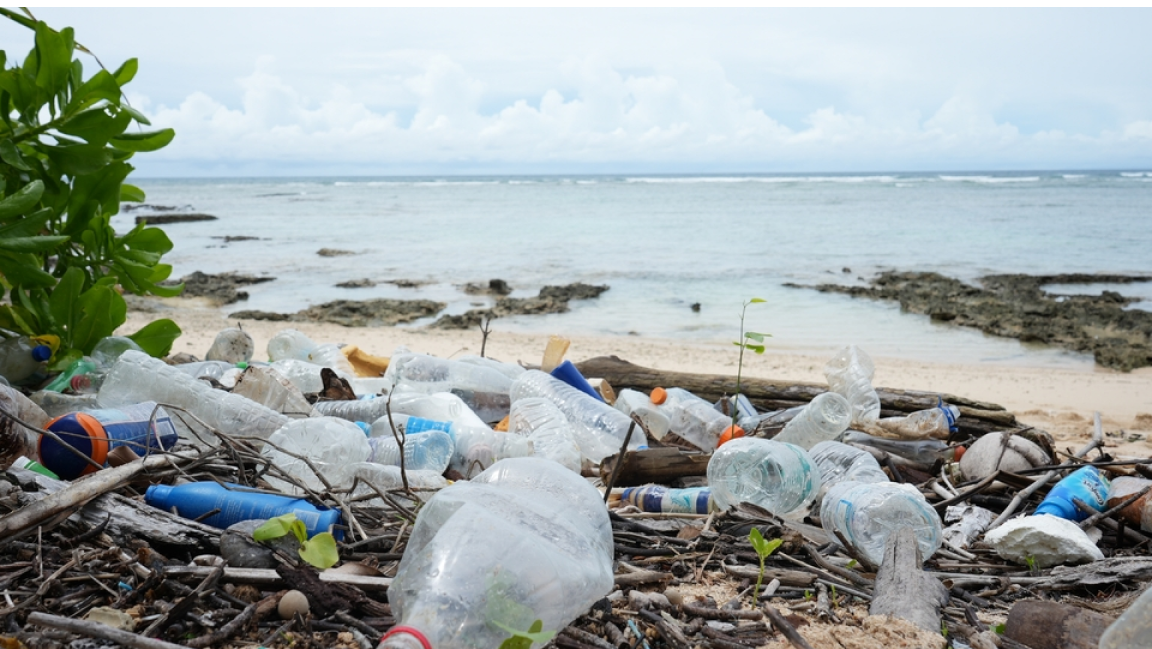
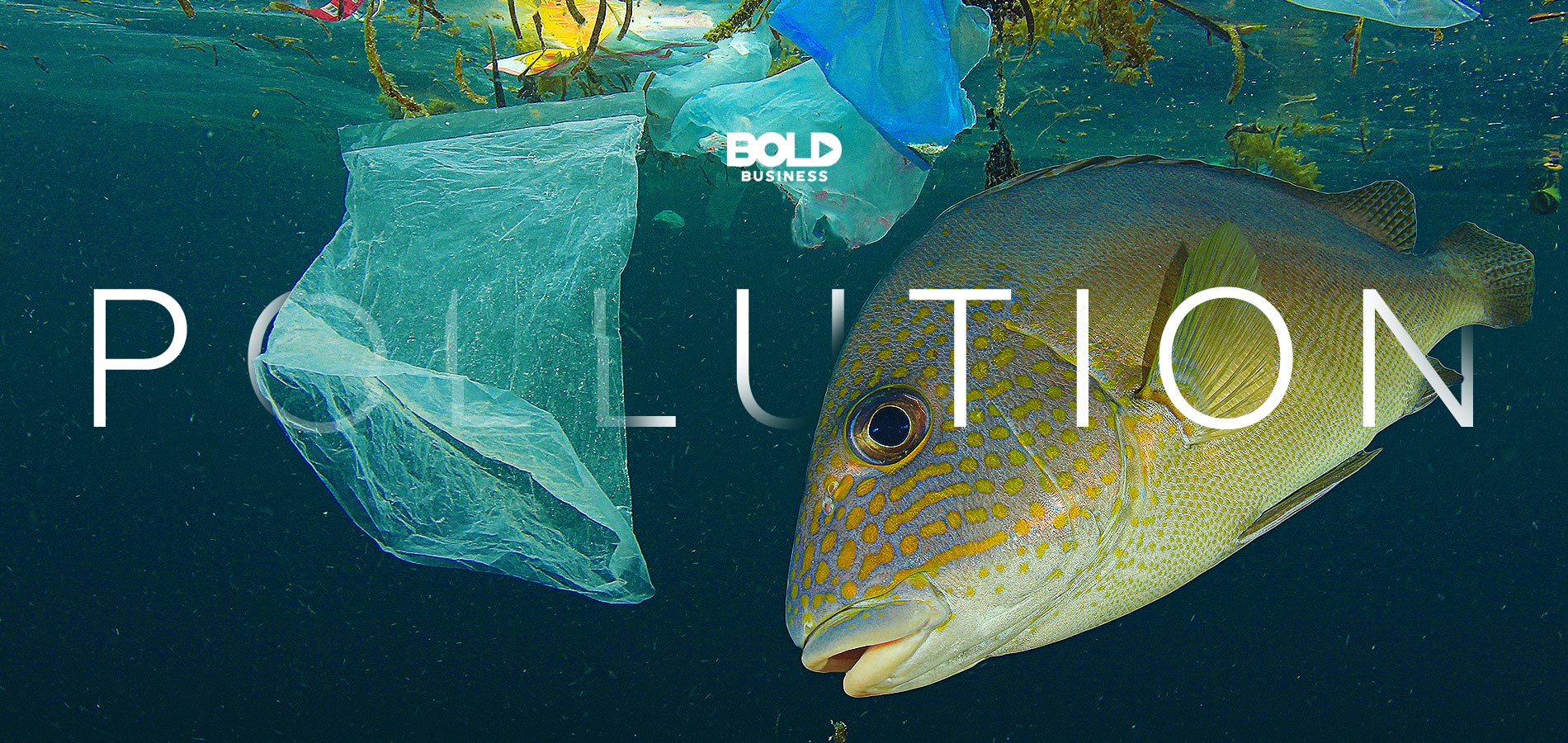
“The Great Pacific Garbage Patch” is proof of the extent of pollution in our oceans. It is a vortex of debris that covers an estimated surface of 1.6 million square kilometers. How big is that? Twice the size of Texas. With up to 2 million tons of plastic entering the ocean each year, experts estimate that 1.8 trillion plastic pieces are floating within the Great Pacific Garbage Patch.

Consequently, marine life in this area is exposed to various risks such as plastic ingestion, malnutrition, exposure to toxic chemicals, and plastic entanglement. As plastic enters the marine food web, the human food chain becomes vulnerable as well. But ocean benefits to humans go beyond the food chain. Needless to say, placing our seas in peril also endangers the human race.

When our very existence depends on the state of our waters, isn’t it time that we treat our oceans better?

What’s the deal with the Gateway?


There’s light—and money—in the tunnel for the Gateway Project, according to the chairman of the House of Representative’s Committee on Transportation and Infrastructure.

Oregon Rep. Peter DeFazio told the New York press corps Thursday that he would specifically write the rehabilitation and reconstruction of Amtrak assets linking the Empire and Garden states into a $2 trillion infrastructure expenditure plan. The remarks followed a tour DeFazio took of the atrophied century-old tubes currently carrying commuters under the Hudson River.

$2 Trillion Dollar Infrastructure Plan in talks

WASHINGTON — Democratic congressional leaders emerged from a meeting at the White House on Tuesday and announced that President Trump had agreed to pursue a $2 trillion infrastructure plan to upgrade the nation’s highways, railroads, bridges and broadband.

Senator Chuck Schumer, the minority leader, said that there had been “good will” in the meeting and that it was “different than some of the other meetings that we’ve had.” Standing alongside Speaker Nancy Pelosi, he said the group planned to meet again in three weeks, when Mr. Trump was expected to tell them how he planned to actually pay for the ambitious project.

Water Street Tampa: $3 Billion Future City Make Over with Coverage of Dreamit Accelerator

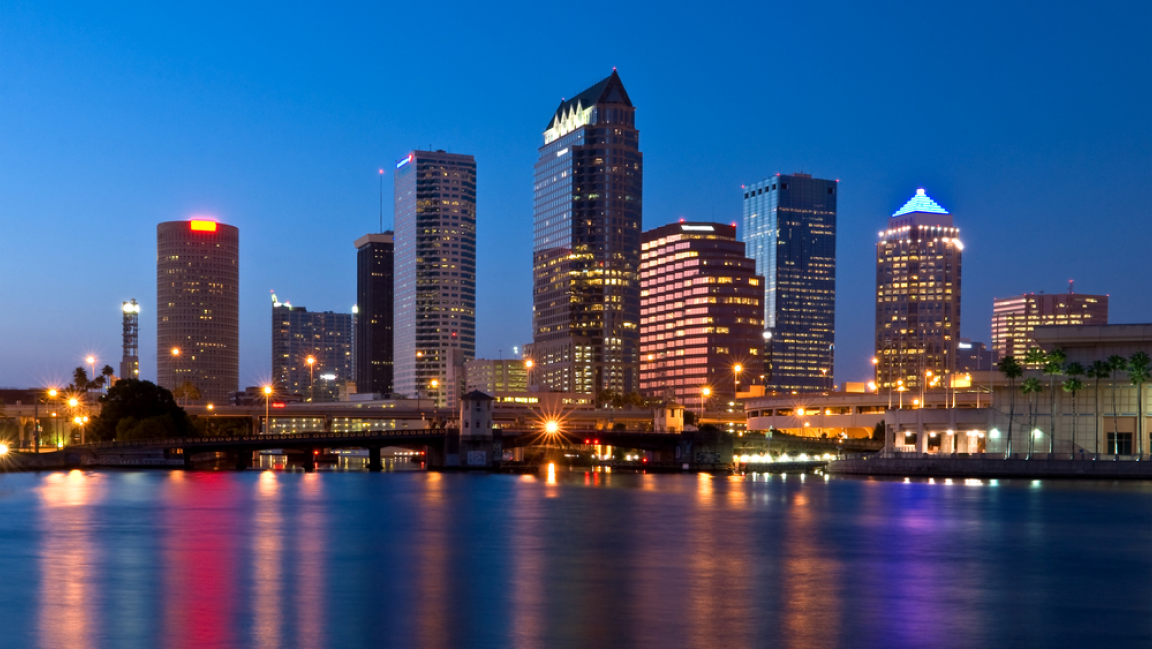
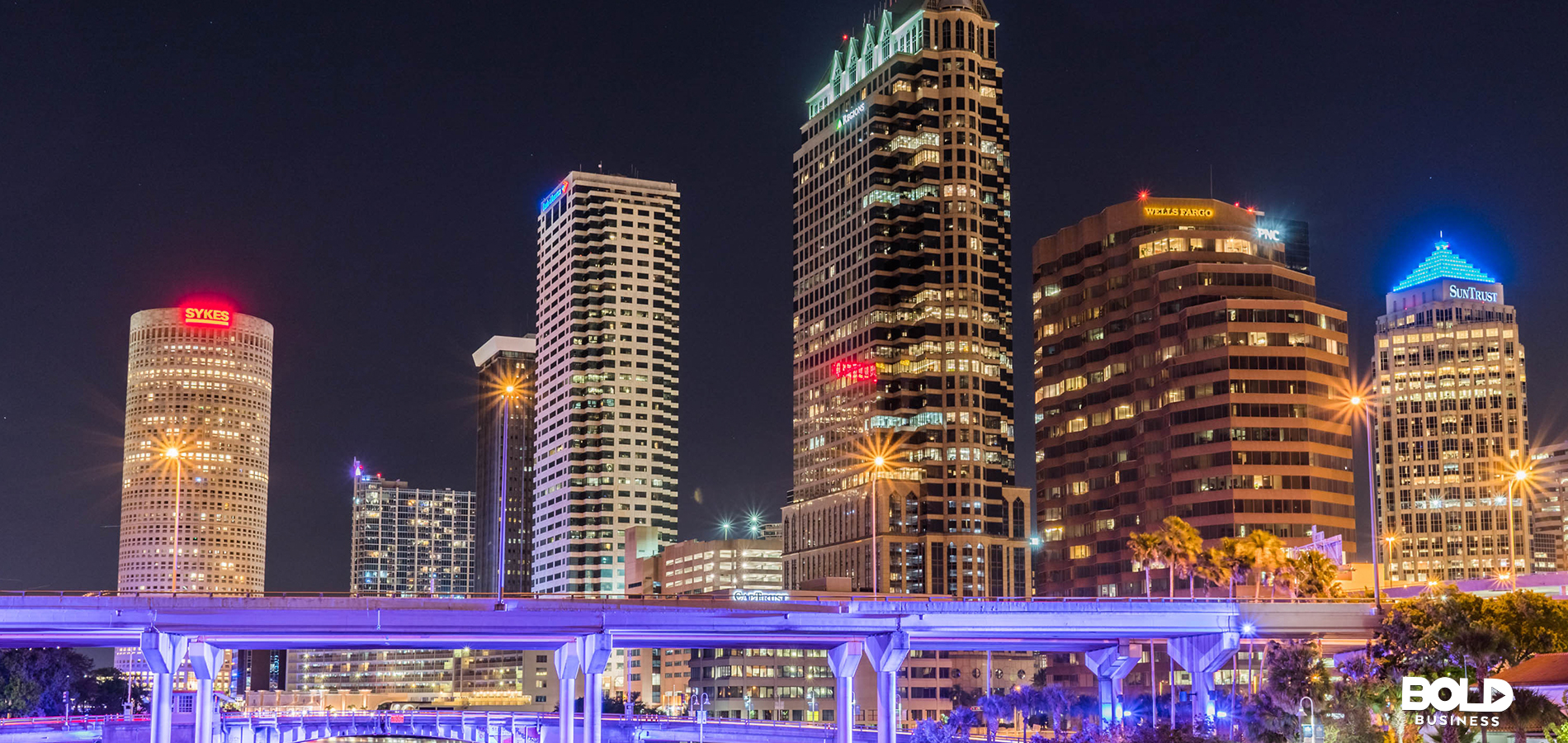
Tampa Bay, Florida is one of the twenty largest metropolitan areas in the United States made up of Tampa, St. Petersburg and Clearwater. All, three are growing exponentially and house over 3.7M residents. Tampa is on the verge of a modernization makeover courtesy of Bill Gates and Jeff Vinik. The city’s downtown area, covering 53 acres of land will undergo a $3 billion redevelopment that is to create bold impacts to the waterfront neighborhood.

The massive Tampa Bay smart city project will be developed by Strategic Property Partners (SPP), which is a joint venture between Gates’s investment fund Cascade Investment LLP and Vinik, a local businessman who owns both the National Hockey League (NHL) team Tampa Bay Lightning as well as the Arena Football League team the Tampa Bay Storm.

Tampa’s Water Street Transformation

Located on Florida’s west coast on Tampa Bay, the city of Tampa has nearly 400,000 residents in its 175.22 square mile area. Soon, the long-dormant downtown will experience a change thanks to the combined efforts of Jeff Vinik, a big-thinking business man, with the help of an investment fund from world-famous billionaire Bill Gates, and many other collaborators.

Vinik is ambitious, envisioning a live-work-and-play environment within the mixed-use waterfront neighborhood. Dreaming big, he is using a combination of his business acumen, influence, and personal wealth in order to reinvent Tampa via the Water Street project.

Flip The Switch

Empowering Women In Building a Brighter Future. 

One of the world’s largest law firms, and one of the world’s largest social enterprises, teaming up to change the world, ‘One Woman at a Time‘.