The Dark Side of the Gig Economy

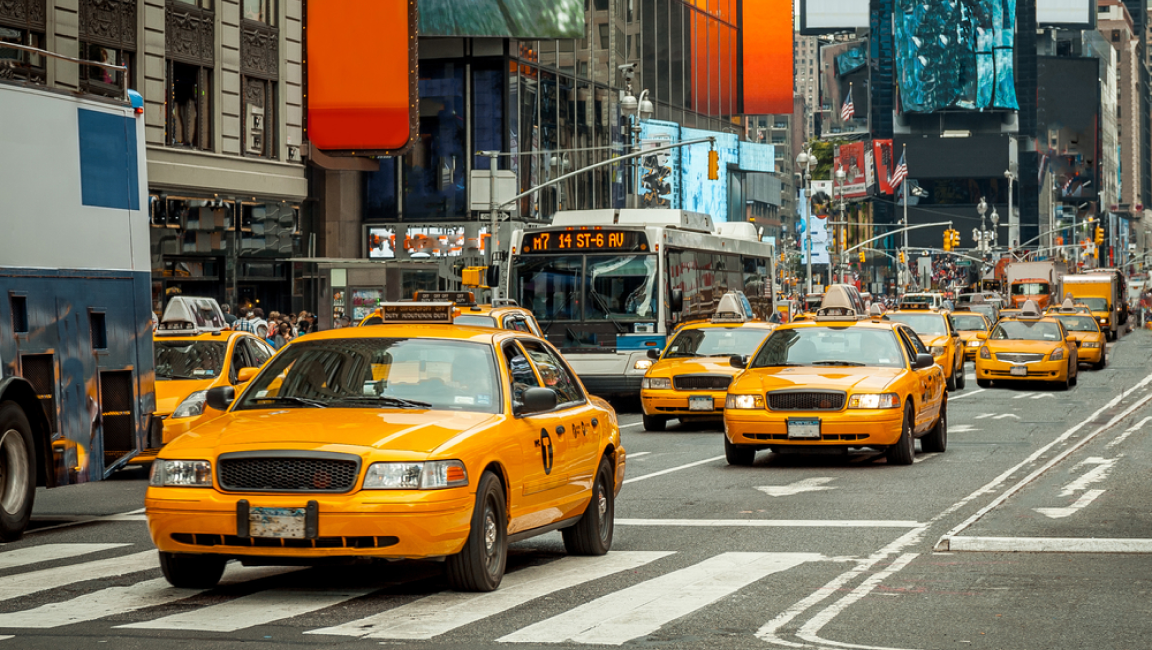
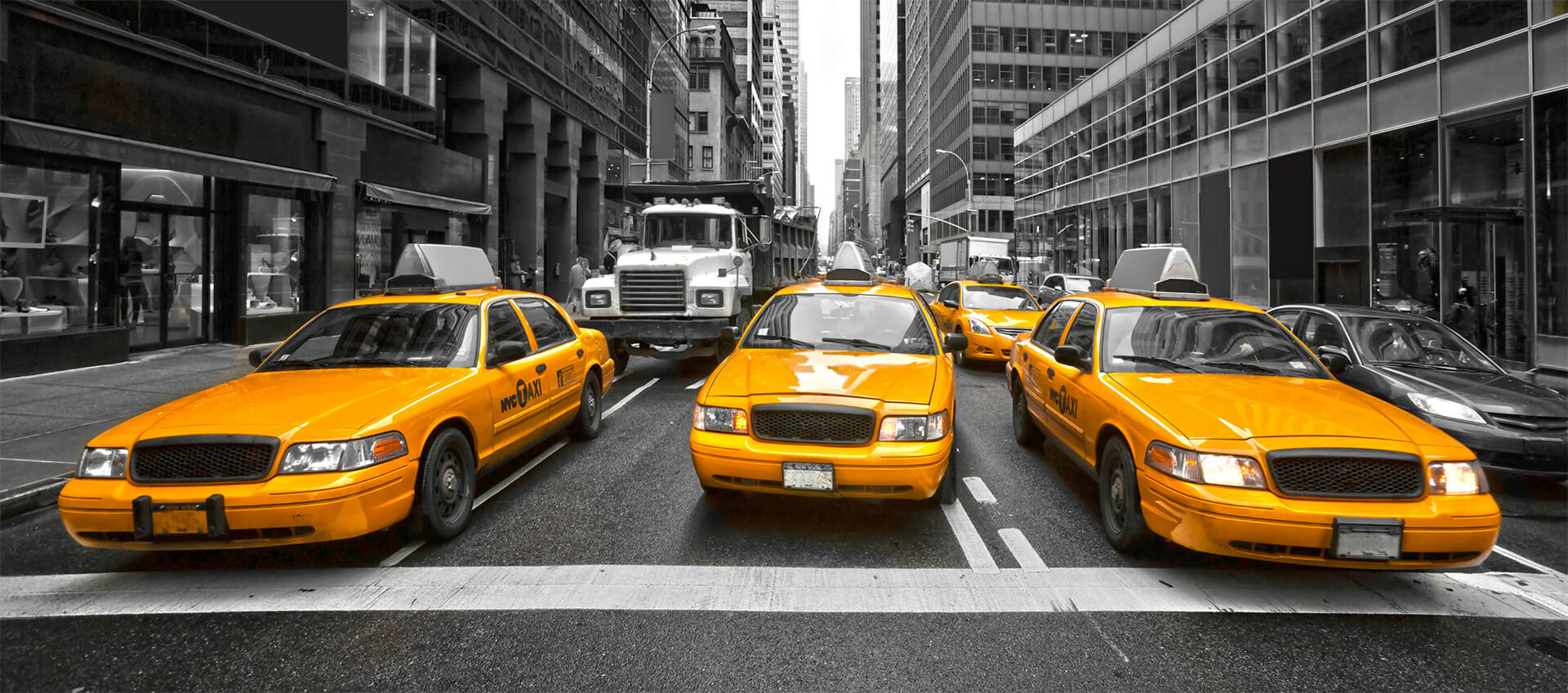
Ride sharing services are touted as great for a passenger, and even great for anyone looking to augment their income with a flexible side job. But there’s a dark side to this market disruption. There are plenty of financial and political questions to be asked. What is the real cost to the city and its infrastructure when 20,000 taxis are augmented by  additional tens of thousands of private vehicles everyday? What about lost city fee revenues, etc.

There’s also a very high human cost to be paid.  Many limo and taxi drivers have been financially devastated and suffer from extreme stress and depression. This driver’s suicide raises tough question about how a gig economy affects the people providing the services.

President Trump Launches $1.5 Trillion Sales Pitch

New $1.5 Trillion Infrastructure bill is making its way to Congress. The Federal government is hoping to help coordinate and encourage projects, but not cover the entire cost of them. The plan rewards communities that make the largest investments.

An argument for why Bitcoin is insurance for us all

Bitcoin is a currency without a government. But, one may ask, didn’t we have gold, silver and other metals, another class of currencies without a government? It may be too volatile to be a currency, for now. But it is the first organic currency?

When Words Fail To Mean What We Thought

As the #MeToo movement continues to spread to touch so many people and industries, sexual relationships are all over the news today. We believe it is appropriate to share the following stories that shed some light on yet another point of confusion.

The first story, a short story entitled Cat Person demonstrates the ambiguity of the word “relationship” itself. It originally appeared in the New Yorker, and you can read it here.

Jessica Bennett then expounded and expanded on the Cat Person story in her essay When Saying “Yes” Is Easier Than Saying ‘No’ in the New York Times Sunday review. Whether or not that cleared things up for you or confused you even further is something we’d love to get your comments on.

Impact Forum V: Elections

Our 5th Impact Forum was held on September 14, 2016 at Civic Hall, NYC’s foremost center for civic technology & innovation, on the topic of Elections. Election Systems are best understood by the rules and incentives constructed around them. Evaluating the United States’ and New York’s Electoral Systems reveals a series of important policy choices that will shape what our electorate will look like in the coming decades. Impact Elections will dig into key question such as: How does money predict elections? How will technology shape voting of the future? Does the current voting system fundamentally fail certain segments of our country’s population? What can voting systems from other nations tell us about options for change?

Impact Experts composing the panel at Elections included: Ann Ravel (Federal Elections Commissioner), Gustavo Rivera (New York State Senator), James Bopp (Plaintiff’s Attorney for Citizens United v. FEC), Richard Briffault (Professor, Columbia Law School), the legal advisor to Stephen Colbert’s Presidential Campaign, the President of the NYC Campaign Finance Board, and more.


The Influence of Redistricting – The New Yorker

Brennan Center Proposal to Modernize Voting

Christopher Malone: The Two-Party System in America

New York Campaign Finance Data

New York State Election Results

The Voting Rights Act of 1965

New York’s Elected Position

New York State Election Law

Who Represented Me?


Workplace Automation News of Interest

More than 960,000 Americans worked in the warehouse industry in October, 2017. That’s up 42% over the past decade according to the U.S. Bureau of Labor Statistics. An additional 246,000 positions went unfilled. Several firms are racing to produce warehouse robots to aid humans in these jobs and help the companies that employ them compete against Amazon. Here’s more on that.

Other firms are working on creating robotic muscles so robots can lift heavier weights and increase overall robotic performance. This article and video outlines those efforts.

Art of the Steal

“The Art of the Steal” presents the story of how the largest private donation of art on the planet was stolen by local government. Or was it? A story of philanthropy, long term thinking, corporate strategy, and government adoption.

The Value of Decentralized Voting Systems?

Hard to hack, confusing designs, local ownership and errors.

Déjà vu all over again in the Sunshine State

Hyperloop One Names Top 10 Routes

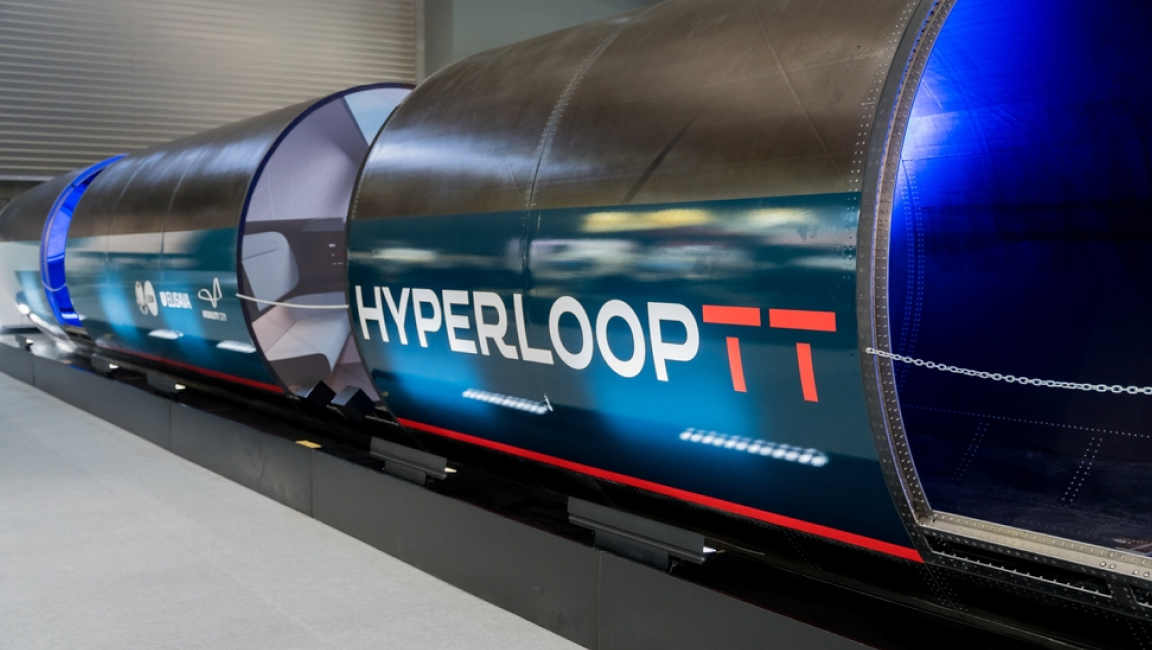
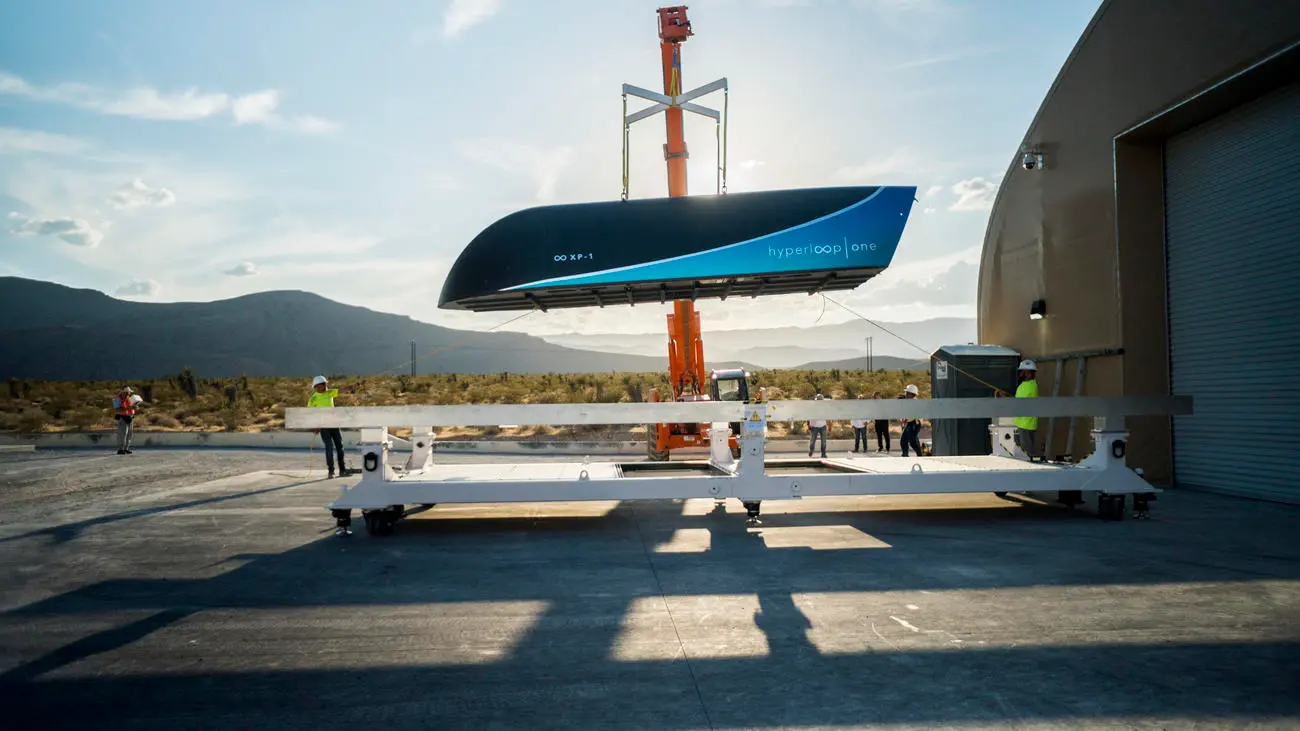
Hyperloop One, the company looking to actually build the first hyperloop transportation systems announced it’s list of finalists to be potential first routes for their groundbreaking transportation technology. It recently held a global competition requesting proposals for routes. The short list represents those routes that could tie together some of the world’s largest populations centers (150 million people) and

The company’s goal is to build transportation networks for both people and cargo, using super low pressure sealed tubes and pods that float along a track using magnetic levitation, based on a technical concept first proposed by Elon Musk. They hope to have three routes working by 2021.

Here’s where you can get the list of the cities selected and learn more.

The Centennial No One Wants to Celebrate

When we talk about an “infrastructure” we are talking about the underlying systems that allow a ecosystem to stand and to function. In our case of New York City, the infrastructure consists of:

  • the roads, bridges, railways, ports and airports that bring in people and goods
  • the aquifers that supply the city’s water and the pipes that deliver it
  • the energy grid that feeds the city
  • the transit grid that helps people move around
  • the schools, hospitals and government buildings that serve the entire population
  • the parks and historic sites that belong to all the people
  • the solid waste and wastewater treatment facilities

New York City’s infrastructure is old and in many places crumbling. In 2014, an explosion that killed seven people in the East Harlem neighborhood was blamed on a gas main that was 127 years old. Most of the water mains, the subway system and more than 160 bridges in the city are nearing or more than 100 years old.

More than 200 schools were built before 1920 and the average age of a city hospital is 57 years old. Countless government buildings are more than 60 years old and the homeless shelters are 70 years old. More than 300 buildings have stood empty in the city for more than seven years after being condemned.

Tragedies Remembered

Unfortunately, it’s usually the tragedies, like that gas fire, that bring the city’s aging issues to the forefront. Even more unfortunately, they don’t stay in the limelight for long.

Following Superstorm Sandy in 2012, for example, the city’s infrastructure failures during the storm prompted numerous studies that led to some steps to shore up the city’s coastal weaknesses, but the key words there are “shore up.” Investments in new structures are not in anyone’s budget.

A plan to overhaul the city subway system was announced by MTA Chairman Joseph Lhota in June, 2017. Or rather, a plan to conduct an audit and present a plan to modernize the subway system was announced. The plan acknowledges a need for short and long-term transformational ideas. To get them, it included a “genius” competition with a top prize of $1 million dollars for anyone who comes up with ideas on how to improve signaling, rapidly deploy modernized cars and increase communications.

In the meantime, the subway system built in 1094 creaks on, with track fires and train delays of two hours becoming almost as common as they were in the 1980s. In an essay in the Atlantic in 2015, James Somers wrote about train replacement parts no longer being made and the jerry-rigging required to keep for equipment purchased in the 1930s in service.

The Next Tragedy?

This year more than 1.7 billion people will ride the subways, relying on that equipment to get them home safely. Each day more than

2.7 million cars drive over 47 bridges that engineers have called “fracture critical” which means that if even a single span, beam or joint fails, the whole thing could come down.

Every year there are more than 400 water main breaks and the city loses 25% of its water to leaks between the reservoirs and the city. In 2013 one of those breaks flooded a subway line and caused the street above to sink half a foot. With most of the sewage mains closing in on 84 years old and many of them tied into storm drains, raw sewage spills into the river during a hard rain.

These consequences of not keeping up with the repair and replacement needs of the city’s infrastructure are all too appalling and easy to envision. Will the next gas main explosion claim the lives of hundreds or will a bridge collapse claim thousands?

What isn’t quite so obvious is the opportunity cost of our city’s aging skeleton. Will the best and the brightest continue to flock to New York, or will we be eclipsed by a shiny new ShangHai or Dubai? Will a lack of high speed rail transit leave New York’s future derailed?

Visit Infrastructures to learn more about the history of New York City’s 200 years of infrastructure ups and downs.