The CBC does great working pulling the data together and making it transparent over time. They have updated its interactive tool for exploring the agency’s recent financial performance…

The CBC does great working pulling the data together and making it transparent over time. They have updated its interactive tool for exploring the agency’s recent financial performance…
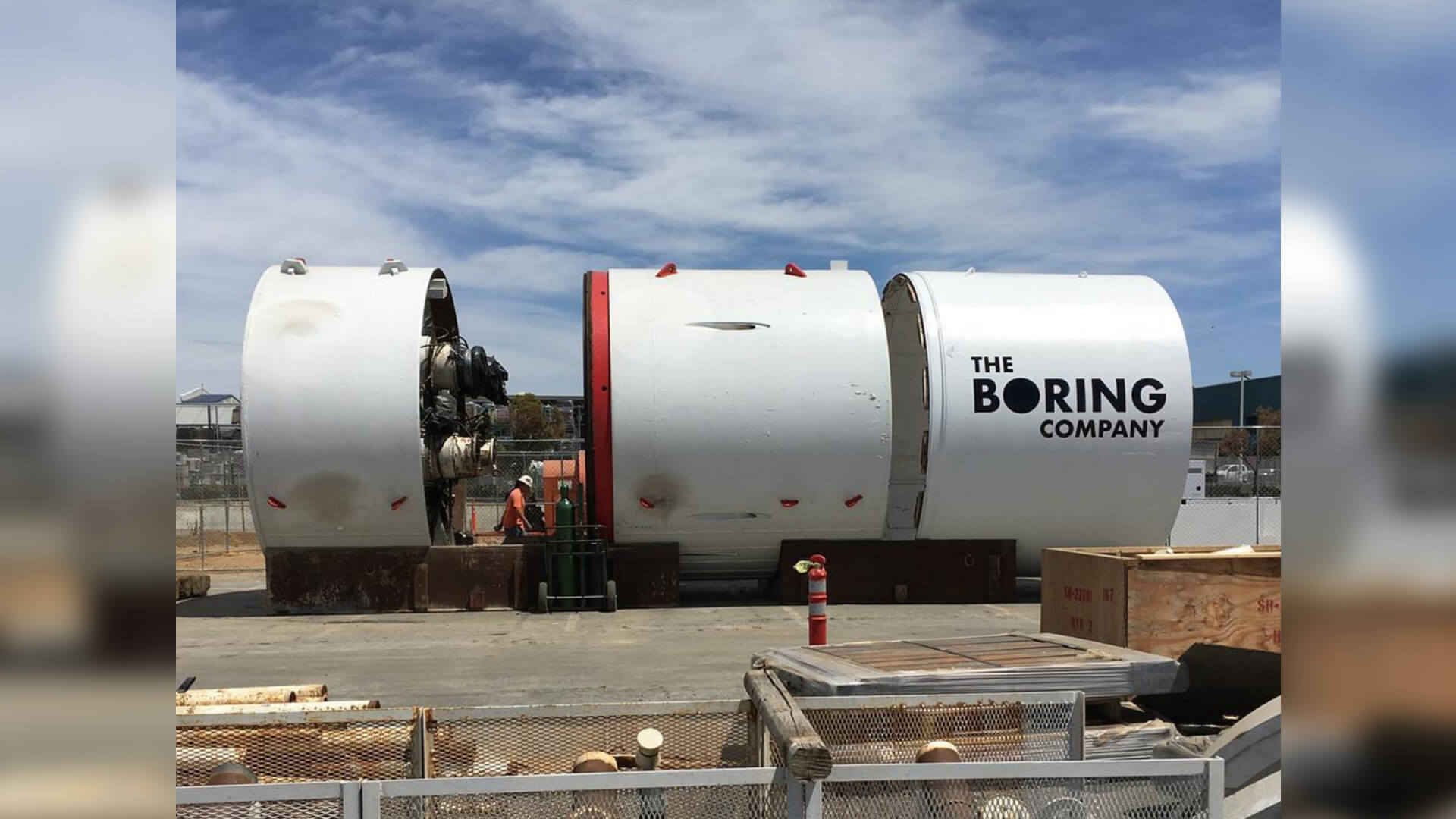
Last night, super entrepreneur and Twitter addict Elon Musk posted some mesmerizing footage of the tunnel that his nearly two-year-old infrastructure company, Boring Company, is creating in Los Angeles right now, the first of four planned projects that Musk promises will reduce congestion in car-choked city cities.

One of the basic principles of good tax policy is equity: similarly situated taxpayers should have similarly sized tax bills. New York City’s property tax system does not comport with this principle: owners of one-, two-, and three-family homes are subject to highly disparate effective tax rates due to statutory caps on the growth in the assessed values of their homes. This means that homeowners in areas where property values are growing quickly benefit at the expense of those whose property values are relatively stable. The inequitable tax burdens among small homeowners are some of the most prominent and compelling reasons for reform of the City’s property tax system.
He’s done it in London and Toronto, can he change one of the largest most outdated systems on the planet?
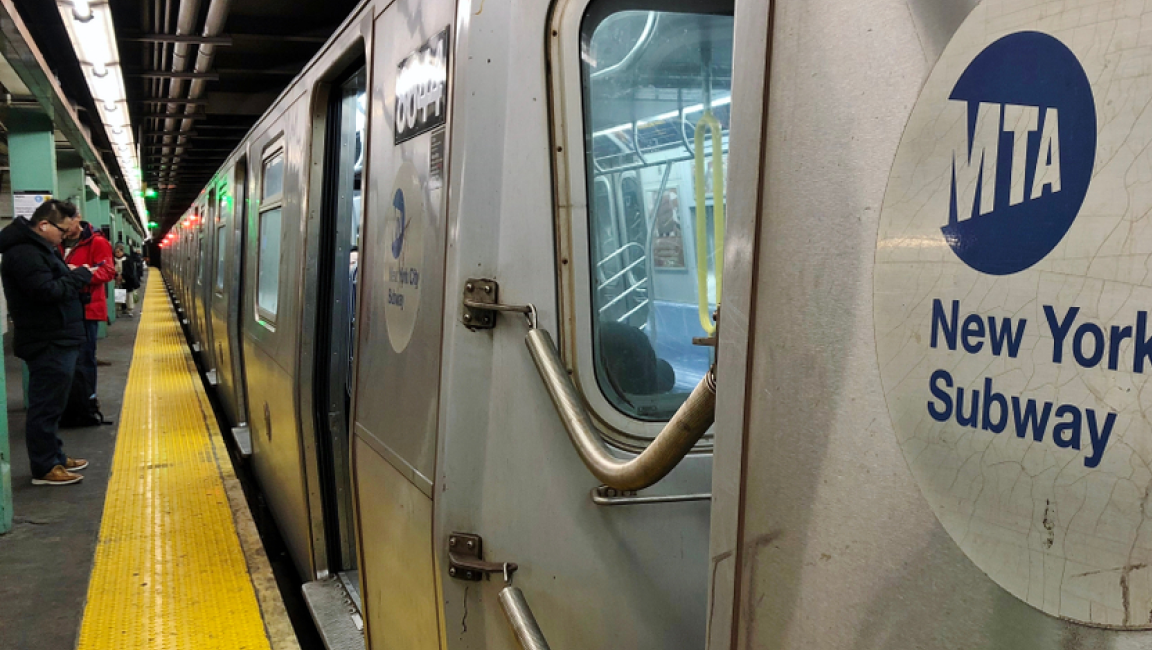
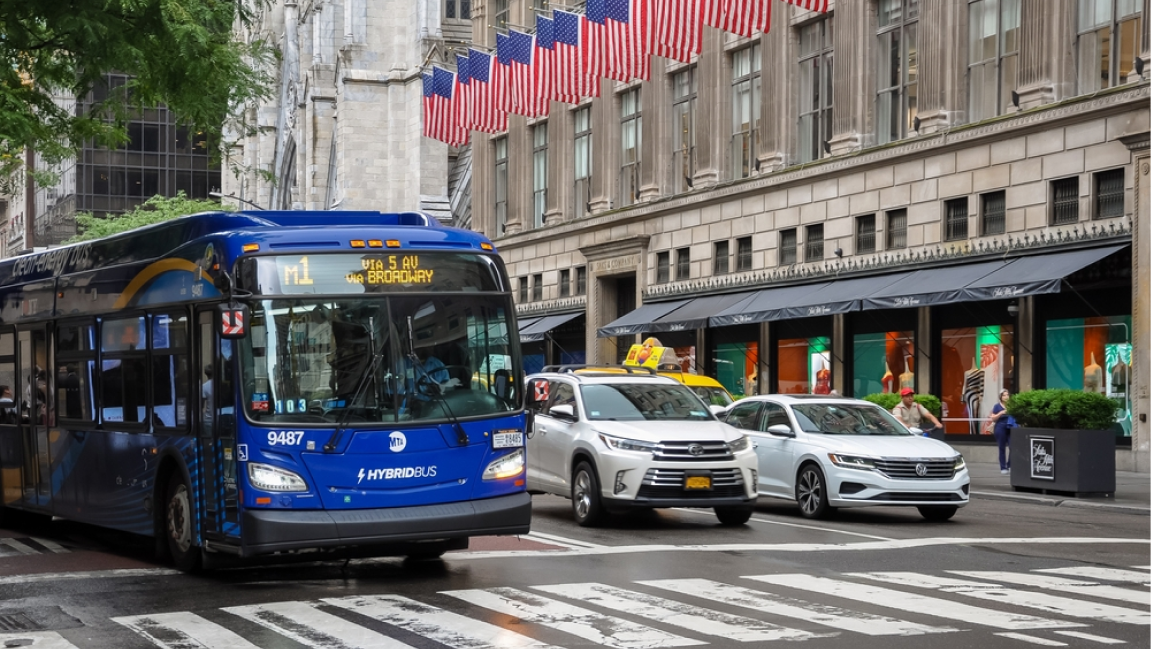
To rebuild the city’s beleaguered public-transit system, after years of chaotic decline and stark dysfunction. He had vowed to visit every one of New York’s subway stations—there are four hundred and seventy-two—and to ride every bus route, in an effort that was part good-will tour, part reconnaissance mission.

Maximizing the benefits of private participation – a whitepaper by Phil White, Denton’s Law Firm. The debate in the US over how to improve essential infrastructure has intensified…

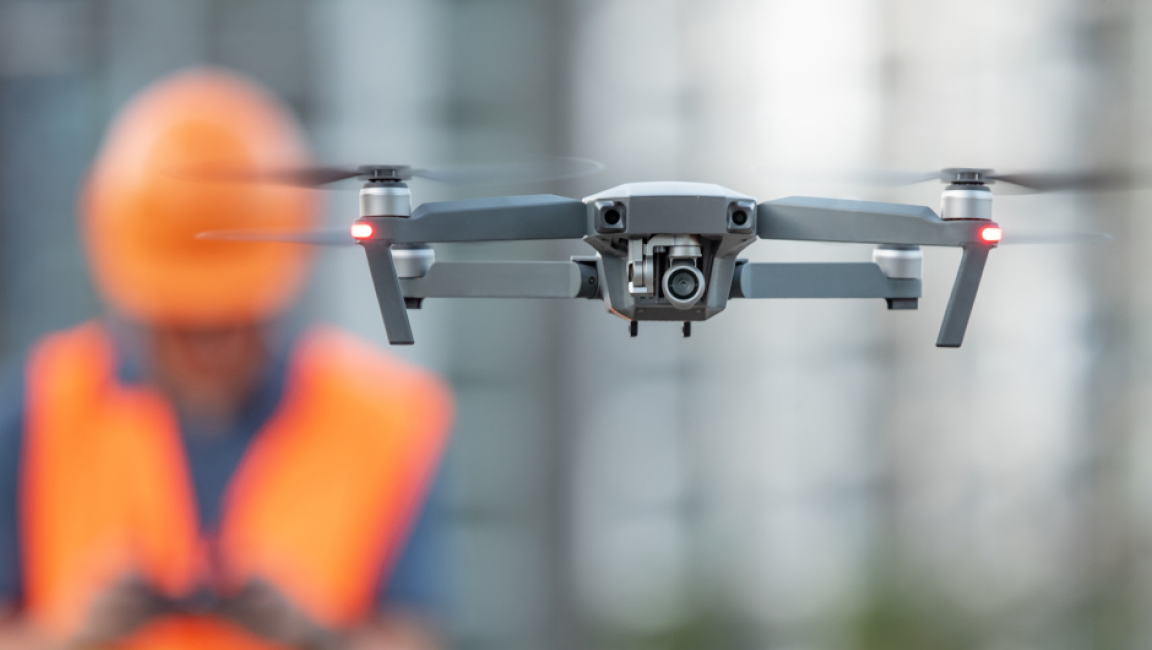
Projects in Virginia, Kansas and Nevada are among those the Trump administration named Wednesday for a new program to sharply expand how drones can be used across the United States, seeking to accelerate growth in a booming sector with broad economic potential but…
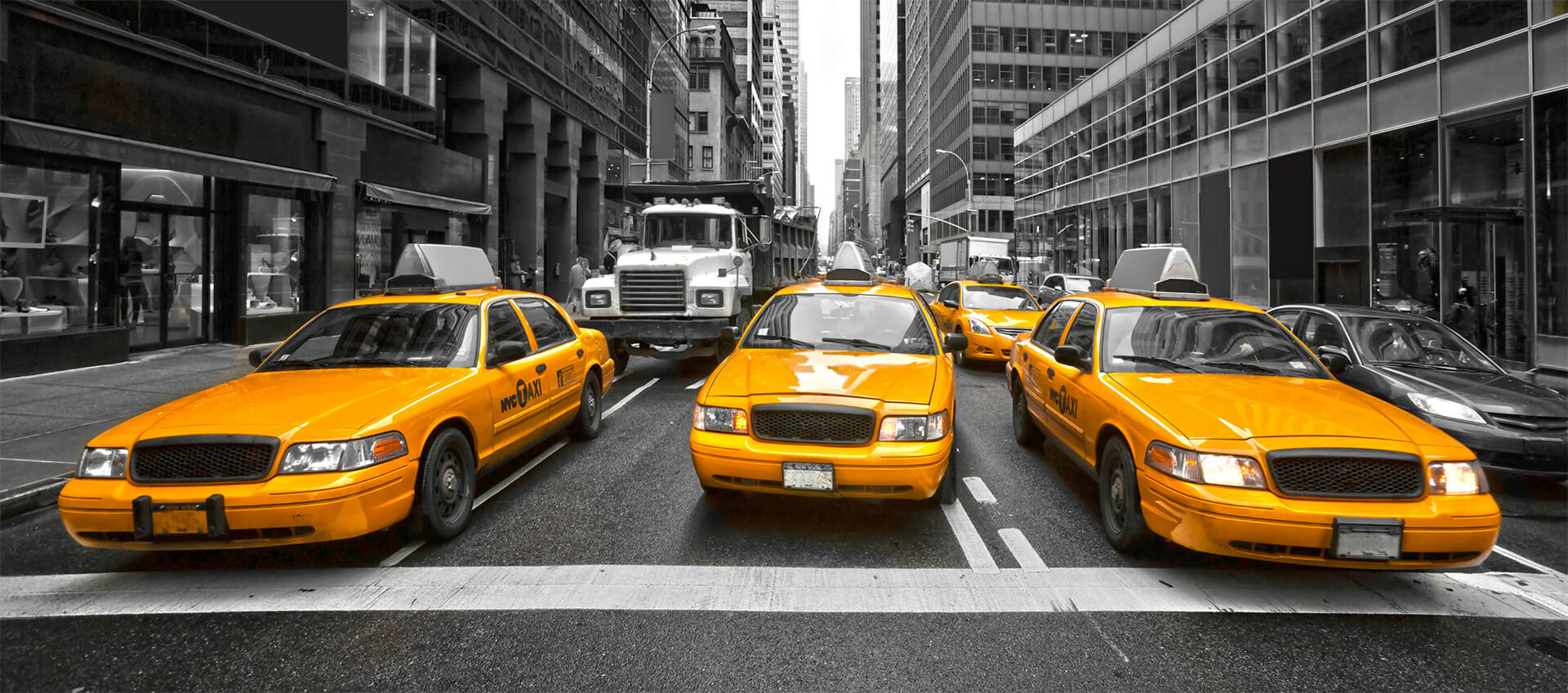
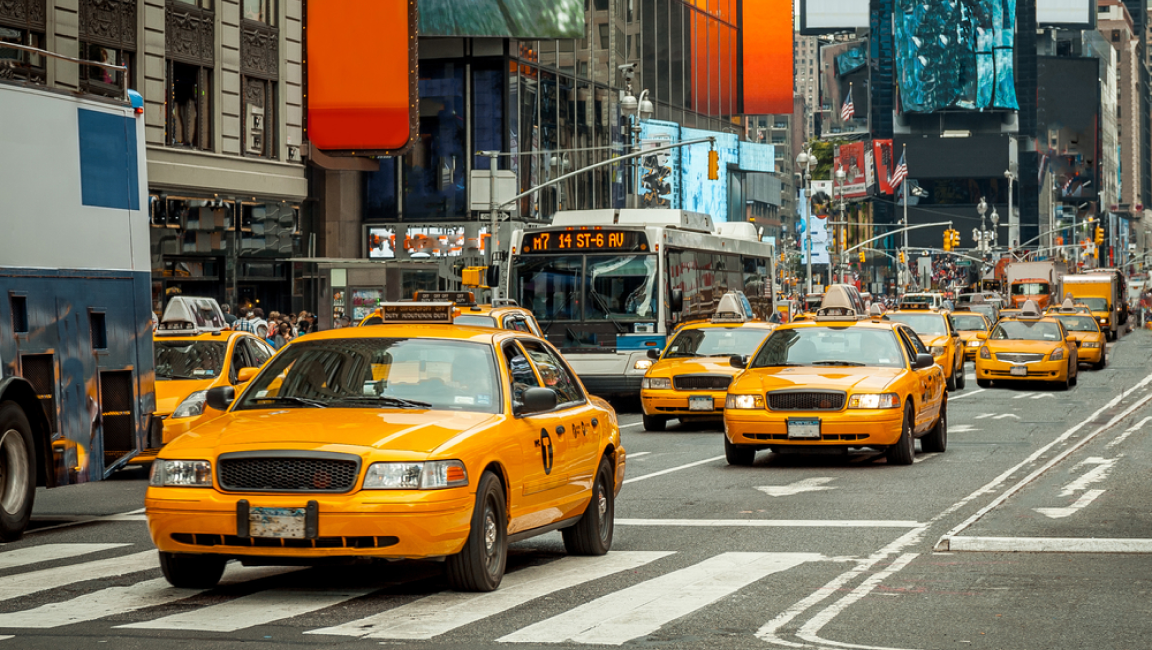
Ride sharing services are touted as great for a passenger, and even great for anyone looking to augment their income with a flexible side job. But there’s a dark side to this market disruption. There are plenty of financial and political questions to be asked. What is the real cost to the city and its infrastructure when 20,000 taxis are augmented by additional tens of thousands of private vehicles everyday? What about lost city fee revenues, etc.
There’s also a very high human cost to be paid. Many limo and taxi drivers have been financially devastated and suffer from extreme stress and depression. This driver’s suicide raises tough question about how a gig economy affects the people providing the services.

New $1.5 Trillion Infrastructure bill is making its way to Congress. The Federal government is hoping to help coordinate and encourage projects, but not cover the entire cost of them. The plan rewards communities that make the largest investments.
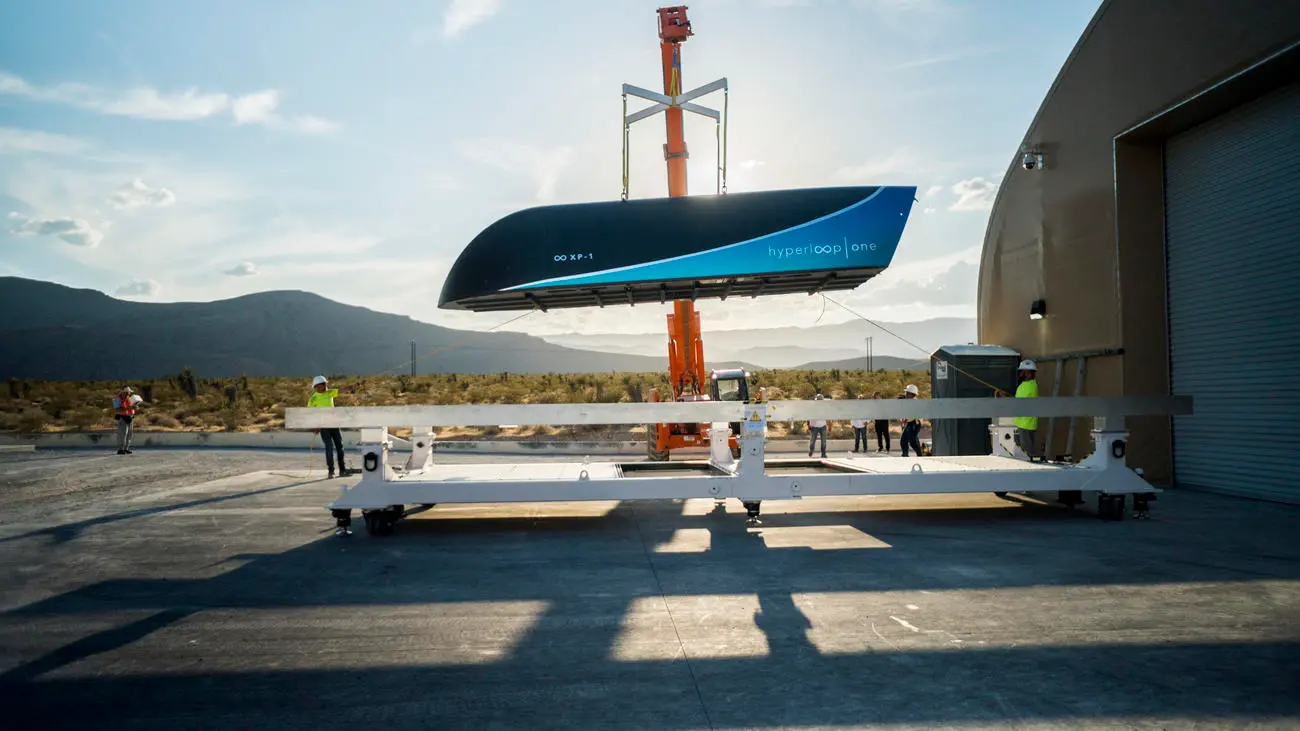
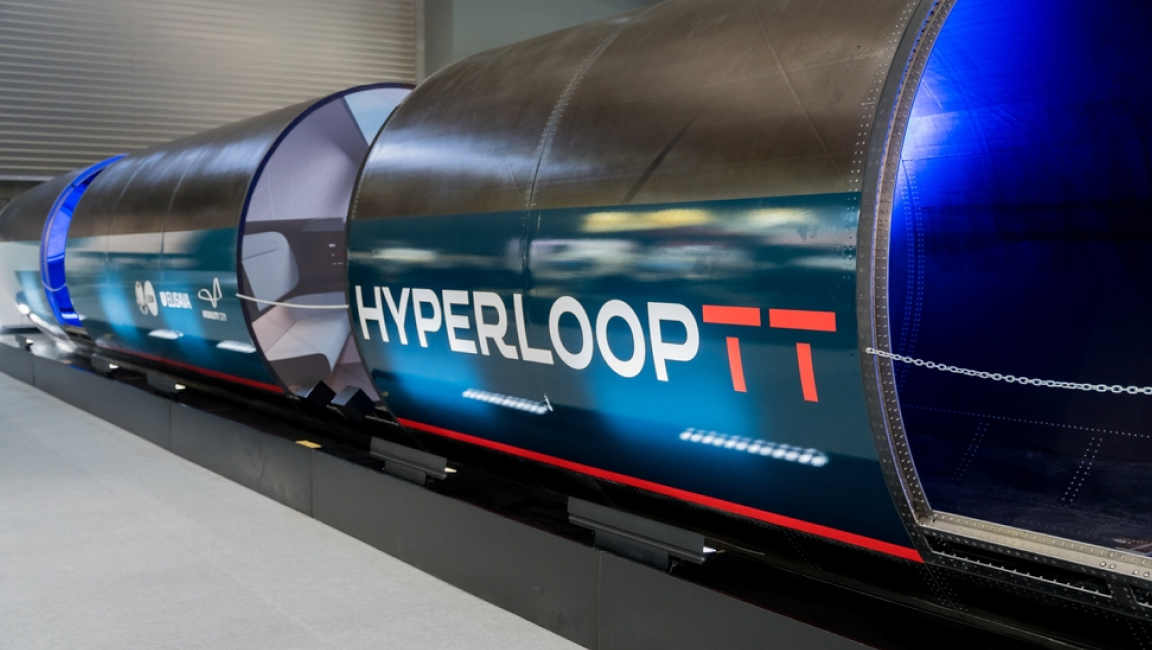
Hyperloop One, the company looking to actually build the first hyperloop transportation systems announced it’s list of finalists to be potential first routes for their groundbreaking transportation technology. It recently held a global competition requesting proposals for routes. The short list represents those routes that could tie together some of the world’s largest populations centers (150 million people) and
The company’s goal is to build transportation networks for both people and cargo, using super low pressure sealed tubes and pods that float along a track using magnetic levitation, based on a technical concept first proposed by Elon Musk. They hope to have three routes working by 2021.
Here’s where you can get the list of the cities selected and learn more.
When we talk about an “infrastructure” we are talking about the underlying systems that allow a ecosystem to stand and to function. In our case of New York City, the infrastructure consists of:
New York City’s infrastructure is old and in many places crumbling. In 2014, an explosion that killed seven people in the East Harlem neighborhood was blamed on a gas main that was 127 years old. Most of the water mains, the subway system and more than 160 bridges in the city are nearing or more than 100 years old.
More than 200 schools were built before 1920 and the average age of a city hospital is 57 years old. Countless government buildings are more than 60 years old and the homeless shelters are 70 years old. More than 300 buildings have stood empty in the city for more than seven years after being condemned.
Unfortunately, it’s usually the tragedies, like that gas fire, that bring the city’s aging issues to the forefront. Even more unfortunately, they don’t stay in the limelight for long.
Following Superstorm Sandy in 2012, for example, the city’s infrastructure failures during the storm prompted numerous studies that led to some steps to shore up the city’s coastal weaknesses, but the key words there are “shore up.” Investments in new structures are not in anyone’s budget.
A plan to overhaul the city subway system was announced by MTA Chairman Joseph Lhota in June, 2017. Or rather, a plan to conduct an audit and present a plan to modernize the subway system was announced. The plan acknowledges a need for short and long-term transformational ideas. To get them, it included a “genius” competition with a top prize of $1 million dollars for anyone who comes up with ideas on how to improve signaling, rapidly deploy modernized cars and increase communications.
In the meantime, the subway system built in 1094 creaks on, with track fires and train delays of two hours becoming almost as common as they were in the 1980s. In an essay in the Atlantic in 2015, James Somers wrote about train replacement parts no longer being made and the jerry-rigging required to keep for equipment purchased in the 1930s in service.
This year more than 1.7 billion people will ride the subways, relying on that equipment to get them home safely. Each day more than
 2.7 million cars drive over 47 bridges that engineers have called “fracture critical” which means that if even a single span, beam or joint fails, the whole thing could come down.
Every year there are more than 400 water main breaks and the city loses 25% of its water to leaks between the reservoirs and the city. In 2013 one of those breaks flooded a subway line and caused the street above to sink half a foot. With most of the sewage mains closing in on 84 years old and many of them tied into storm drains, raw sewage spills into the river during a hard rain.
These consequences of not keeping up with the repair and replacement needs of the city’s infrastructure are all too appalling and easy to envision. Will the next gas main explosion claim the lives of hundreds or will a bridge collapse claim thousands?
What isn’t quite so obvious is the opportunity cost of our city’s aging skeleton. Will the best and the brightest continue to flock to New York, or will we be eclipsed by a shiny new ShangHai or Dubai? Will a lack of high speed rail transit leave New York’s future derailed?
Visit Infrastructures to learn more about the history of New York City’s 200 years of infrastructure ups and downs.