IMPACT Expert and Presidential Candidate gains 3,000 supporters

The unlikely presidential run of Andrew Yang, who is proposing a $1,000-a-month “freedom dividend” to every adult in America, rolled Friday into San Francisco, where some 3,000 supporters listened to the New York tech entrepreneur warn about how artificial intelligence and robotics are taking jobs.

Are Robots Competing For Your Job?

Calls for the replacement of human labor continue but jobs really just change form. The flexible and creative continue to thrive and survive.

How can you know if you’re about to get replaced by an invading algorithm or an augmented immigrant? “If your job can be easily explained, it can be automated,” Anders Sandberg, of Oxford’s Future of Humanity Institute, tells Oppenheimer. “If it can’t, it won’t.” (Rotten luck for people whose job description is “Predict the future.”) Baldwin offers three-part advice: (1) avoid competing with A.I. and R.I.; (2) build skills in things that only humans can do, in person; and (3) “realize that humanity is an edge not a handicap.” What all this means is hard to say, especially if you’ve never before considered being human to be a handicap.

Amazon Launches Free Machine Learning Curriculum

We’ve been using machine learning across Amazon for more than 20 years. With thousands of engineers focused on machine learning across the company, there are very few Amazon retail pages, products, fulfillment technologies, stores which haven’t been improved through the use of machine learning in one way or another. Many AWS customers share this enthusiasm, and our mission has been to take machine learning from something which had previously been only available to the largest, most well-funded technology companies, and put it in the hands of every developer. Thanks to services such as Amazon SageMaker, Amazon Rekognition, Amazon Comprehend, Amazon Transcribe, Amazon Polly, Amazon Translate, and Amazon Lex, tens of thousands of developers are already on their way to building more intelligent applications through machine learning.


Technology May Help To Revive Organised Labour

Trade unions are harnessing the same force that caused their decline

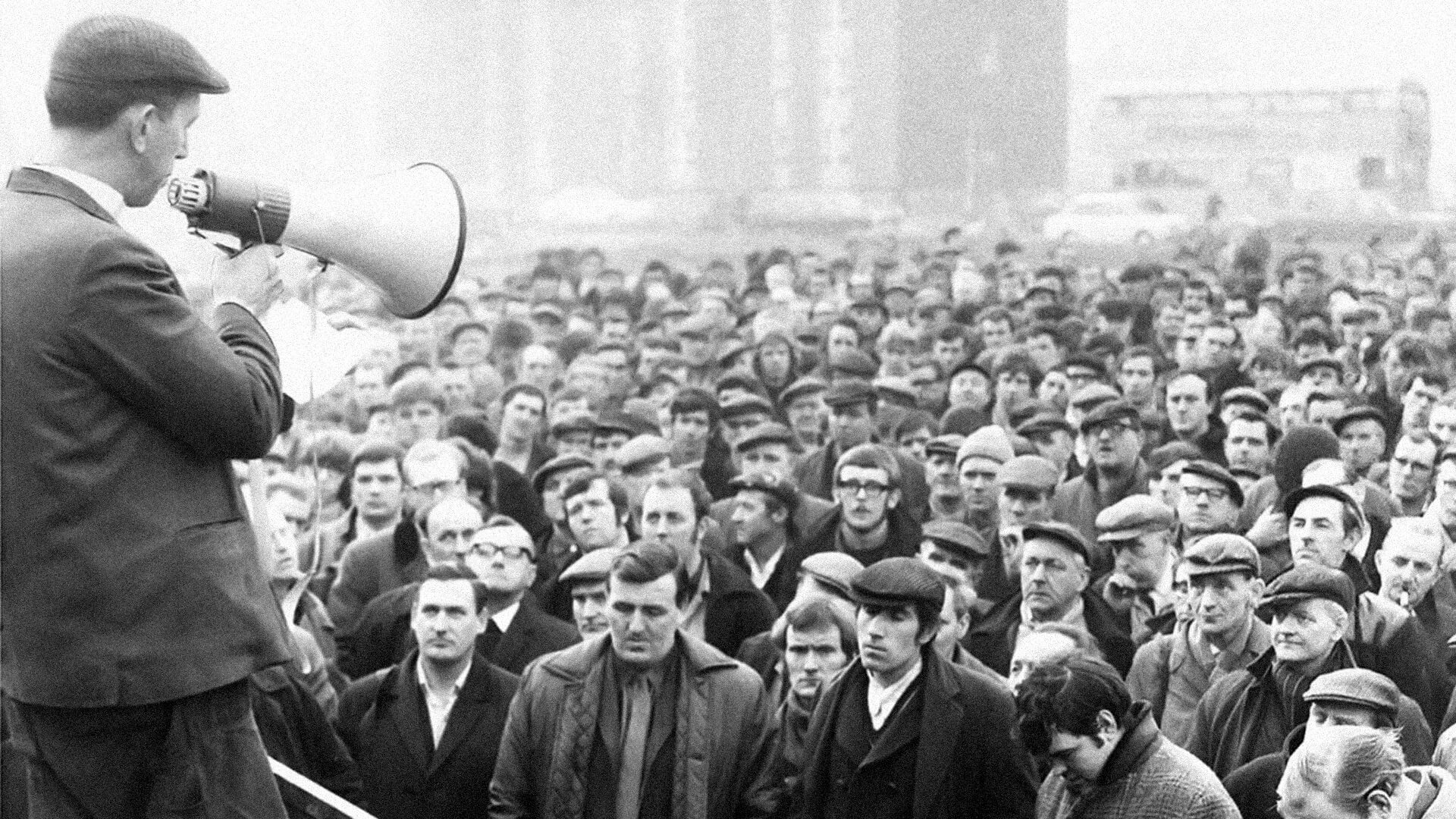
“If they stall, we will hit them where it hurts.” Jörg Sprave is a jovial German with a winning smile but he leaves no doubt that he is serious. If Google, YouTube’s owner, does not budge, he will call a strike. Mr Sprave runs “The Slingshot Channel”, dedicated to rubber-powered weapons, which boasts over 2m subscribers. He is also the founder of the YouTubers Union, which counts over 16,000 members. He launched the organisation in March after YouTube stopped showing adverts alongside many of his and others’ clips, following pressure from advertisers. It caused his income to drop from $6,500 to $1,500 a month. The group’s main demand is to stop such “demonetisation”.

The Future of Work

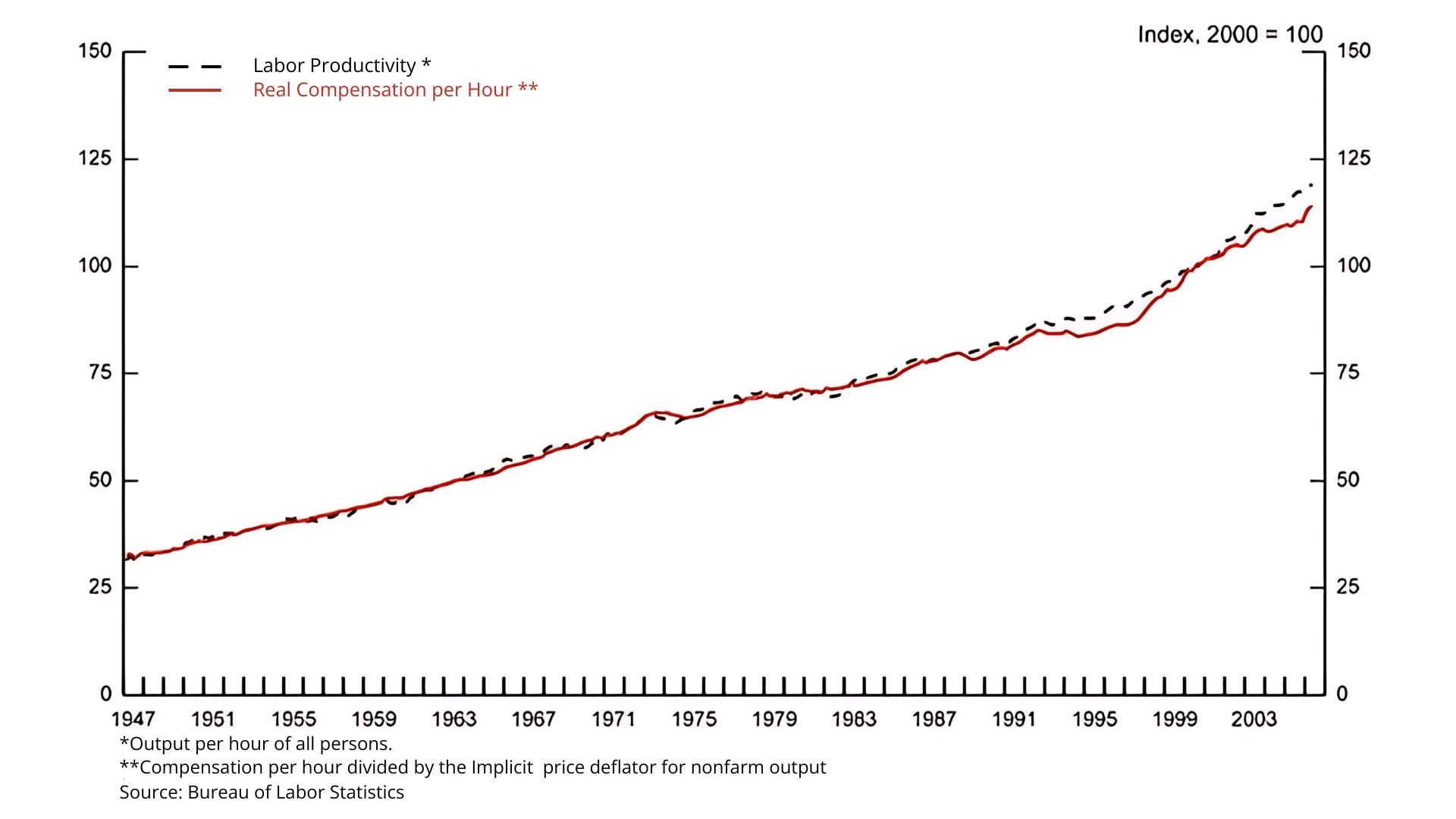
Improvements in technology, artificial intelligence, and the managerial and scientific focus on automation and robotics will lead to a transformations in what we build and how we work. Continued increases in labor productivity, wealth, and changes to the definition of work will result. Simultaneously, there will be a widening divide between the earning power of high and low skilled workers and fundamental shifts in the types of tasks that constitute their jobs. Technology will displace existing jobs and lead to great dislocations especially with automation susceptible jobs. This will necessitate a comprehensive review of how we prepare and support individuals for work and result in major changes to how we make decisions, structure safety nets, evolve our educational systems, and redistribute the gains that arise.

Labor Productivity and Real Compensation per Hour

1. FUTURE OF WORK

History shows that technology has created large employment and sector shifts, but also creates new jobs.

  1. McKinsey Executive Briefing on Global Employment Themes in the Future of Work
  2. BCG, WEF: Eight Futures of Work Scenarios and Implications
  3. AI’s Implications for Productivity, Wages, and Employment
  4. EY Future of Work
  5. Quartz Future of Work Timeline
  6. Mphasis’ Srikanth Karra on the Future of Jobs

2. AUTOMATION AND DISPLACEMENT

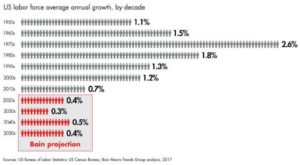
US Labor force growth will remain low for the foreseeable future

  1. Bain: The Collision of Demographics, Automation and Inequity
  2. FT: Why automation may be more evolution than revolution
  3. What happens when machines take our jobs?
  4. James Surowiecki: Robots will not take your job
  5. FT: Why workers need a ‘digital New Deal’ to protect against AI


3. GIG ECONOMY

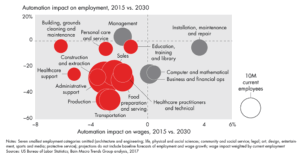
Automation will affect 80% of workers through wage suppression and job loss

  1. Independent work: Choice, necessity, and the gig economy
  2. Technology is killing jobs, and only technology can save them
  3. Britain and the Gig Economy
  4. PWC’s Workforce of the Future [Lengthy and for further reading]


4. RETRAINING AND WORKFORCE TRANSFORMATION

  1. Economist: Retraining low skilled workers
  2. FT: Older staff, new skills: employers retrofit the workforce for AT&T
  3. FT: Our robot era demands a different approach to retraining
  4. FT: Retraining labour force for innovation is ‘challenge of our times’
  5. Stada: The Digitally Transformed Workforce: How To Upskill And Retrain to Retain Talent


5. AI/HUMAN AUGMENTATION

  1. Deloitte: Augmented Workforces
  2. FT: Alexa: how can I be a better office worker?
  3. Techcrunch: How The Growth Of Mixed Reality Will Change Communication, Collaboration And The Future Of The Workplace
  4. Workforce Digitization: EIU Perspectives [Lengthy and for further reading]
  5. AI for Predicting Crime
  6. Isolating Speaker with AI


Ego Is the Enemy of Good Leadership

On his first day as CEO of the Carlsberg Group, a global brewery and beverage company, Cees ‘t Hart was given a key card by his assistant. The card locked out all the other floors for the elevator so that he could go directly to his corner office on the 20th floor. And with its picture windows, his office offered a stunning view of Copenhagen

Paul Volcker, at 91, Sees ‘a Hell of a Mess in Every Direction’

Paul Volcker, former Fed Chair, describes important principles around public service.

How Is America Preparing For The Future Of Work?

By Erin Winick

  1. Stay in school?
  2. Work less?
  3. Continuously learn?

Three questions on retraining and the future of work with economist Jay Shambaugh.

No one can see the future, but we can still make sure we aren’t blindsided when it arrives. That’s especially true when it comes to how technology is changing workplaces in the US.

Philanthropy

The future of philanthropy is being challenged once again. From Carnegie’s Gospel of Wealth to Bill Gates’ Pledge, how we define good philanthropy continues to change. Do 501c3s do a good job solving societal ills. Do they create competition to push our governments to be more efficient? Read and decide.

How is america utilizing it’s land? Only a few are used for urban dwelling with majority of the population, it’s little surprise that these areas contribute an outsize amount to the economy.

There are many statistical measures that show how productive the U.S. is. Its economy is the largest in the world and grew at a rate of 4.1 percent last quarter, its fastest pace since 2014. The unemployment rate is near the lowest mark in a half century.

What can be harder to decipher is how Americans use their land to create wealth. The 48 contiguous states alone are a 1.9 billion-acre jigsaw puzzle of cities, farms, forests and pastures that Americans use to feed themselves, power their economy and extract value for business and pleasure.